
What Areas of Your Car Should You Prioritise for PPF?
If you’re researching paint protection film areas, you’re probably trying to answer a simple but important question: where should I actually put it? Because while PPF sounds like the ultimate solution, covering your entire car isn’t always practical or necessary.
Most drivers don’t need full-body protection. What they need is a smarter approach: protect the areas that take the most damage, and leave the rest alone. That’s where understanding how your car is used every day starts to matter more than any sales pitch.
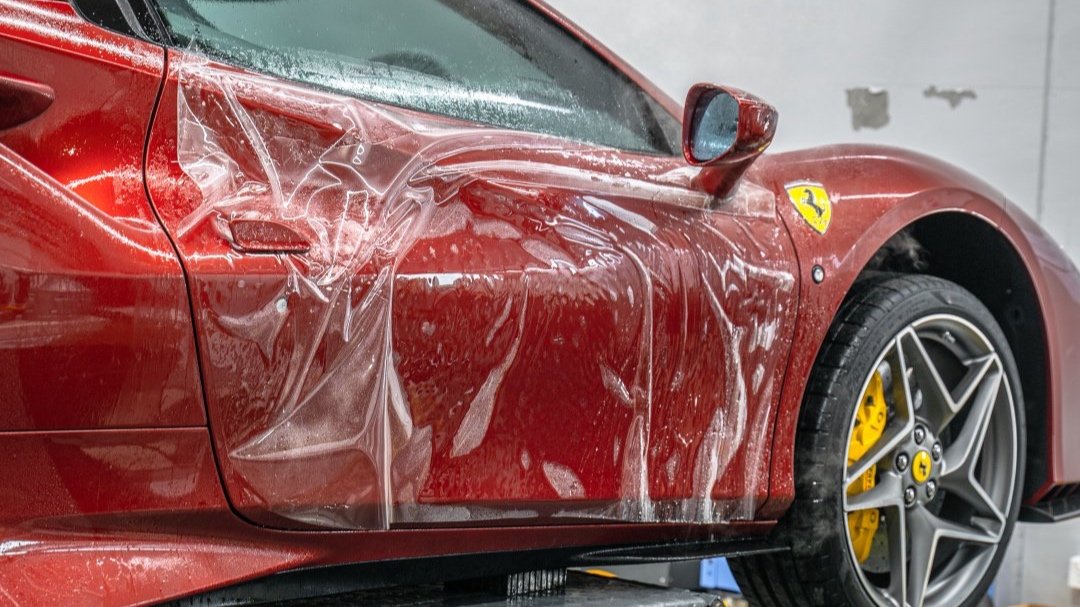
Why Paint Protection Film Areas Aren’t Equal
Every part of your car lives a different life.
Some sections quietly sit untouched for months, while others take a beating every single time you drive. The difference comes down to exposure, wind, debris, sunlight, and even how you park.
If you spend a lot of time on highways, your car’s front end is constantly being hit with tiny stones at high speeds. If you’re mostly in the city, it’s more about scratches from tight parking, door dings, and everyday wear. And if your car lives outside, the sun becomes another factor entirely.
This is why choosing the right paint protection film areas isn’t about coverage; it’s about understanding impact.
The Front End: Where Damage Happens First
If there’s one part of the car that deserves immediate attention, it’s the front.
The bumper, the leading edge of the bonnet, and even the headlights are in a constant line of fire. You don’t have to drive aggressively for damage to happen; it builds up quietly over time. One small chip becomes ten, and before you notice, the front of your car starts looking older than it is.
The bonnet, especially the front third, tends to show the earliest signs of wear. It catches whatever the road throws upward. Side mirrors, while small, take similar hits from a slightly different angle, and because they’re more compact, damage stands out faster.
Headlights are another area people underestimate. Once they start to pit or fade, it’s not just cosmetic; it can affect visibility, and replacements aren’t cheap.
Protecting this front section alone already covers a large percentage of the real-world damage most cars experience.
The Subtle Areas That Wear Down Over Time
Not all damage is dramatic.
Some of it happens slowly, in ways you don’t notice until it’s already there. Door handles, for example, collect fine scratches from fingernails, keys, and repeated use. It’s a small detail, but once you see it, you can’t unsee it.
The edges of doors are another quiet victim. One accidental tap against a wall or another car, and the paint chips instantly.
Further down, side skirts deal with a different kind of stress. Being closer to the road means they’re constantly exposed to dirt, grit, and whatever your tires kick up.
At the back of the car, the top edge of the rear bumper, where you load groceries, bags, or tools, often ends up scratched from daily use. It’s one of the most common areas for wear, yet many people don’t think about it until it’s already marked up.
These aren’t high-impact zones like the front, but they’re high-contact areas. And over time, they tell the story of how the car has been used.
Full Coverage vs Smart Coverage
It’s easy to assume that more protection is always better.
But full-body PPF comes with a higher cost, and for many drivers, it’s more than what they actually need. The reality is, most visible damage tends to concentrate in specific areas, not evenly across the entire vehicle.
Smart coverage focuses on the front end first, then builds outward depending on how much you care about maintaining a near-perfect finish.
If you’ve just bought a new car or you’re planning to keep it long-term, extending coverage might make sense. But if your goal is simply to avoid obvious wear and preserve resale value, a targeted approach does the job well.
Where Installation Quality Changes Everything
At some point, choosing the right paint protection film areas stops being the hard part. What really makes the difference is the quality of the installation.
Poor application can leave visible lines, trapped dust, or edges that lift over time. And once you notice those details, they’re hard to ignore.
That’s why many car owners end up working with specialists who treat PPF as a careful process rather than a quick add-on.
The Trade-Off Most People Realise Later
PPF isn’t permanent perfection.
Over time, the film itself takes the wear, because that’s exactly what it’s designed to do. You might notice slight marks or edges becoming more visible depending on conditions.
But that’s the point. It’s absorbing the damage instead of your paint.
A well-installed film doesn’t stop aging; it redirects it. And when the time comes, it can be replaced, leaving the original paint underneath in much better condition than it would have been otherwise.
Finding the Right Balance for Your Car
There’s no single “correct” answer when it comes to coverage.
Some people want their car to look untouched for years. Others just want to avoid obvious chips and scratches without overcommitting. Both approaches are valid.
The key is knowing what matters to you. Start with the areas that have the most impact, then decide if the added protection elsewhere feels worth it.
And if you’re unsure, having a conversation with a shop like Pro Spec Detailing can help you see what’s realistic for your budget and driving habits, without jumping straight into full coverage.
Choosing Paint Protection Film Areas That Actually Matter
In the end, it’s less about covering everything and more about protecting what gets hit first.
Focus on the areas that face real-world damage, understand the trade-offs, and build your coverage in a way that makes sense for how you actually use your car.
Because the right paint protection film areas aren’t about perfection, they’re about prioritising where the impact hits.
FAQs About Paint Protection Film Areas
1. What paint protection film areas should I start with?
Most people begin with the front bumper, bonnet, headlights, and side mirrors since these face the most exposure to debris and damage.
2. Is it okay to only protect part of the car?
Yes, and it’s actually very common. Partial coverage focuses on the areas that wear the fastest and gives the most practical value.
3. Will PPF completely stop scratches and chips?
It significantly reduces them, but it’s not indestructible. It’s designed to absorb damage, not eliminate it.
4. How do I know if I need more coverage later?
If you start noticing wear in other areas, like door handles or side skirts, you can always add protection later.
5. Does PPF require maintenance?
Not much beyond regular washing, but proper care helps it last longer and stay clearer over time.
