
The Truth About Self-Healing PPF: Does It Really Work?
If you’ve been researching modern paint protection solutions, you’ve likely come across the term self-healing PPF in Sydney. It sounds almost too good to be true: a protective film that can “heal” scratches on its own.
But does it actually work?
The short answer is yes, self-healing paint protection film (PPF) does work, but with some limitations. It can repair minor swirl marks, light scratches, and surface scuffs when exposed to heat, helping your car maintain a smoother, glossier finish over time. However, it’s not magic. Deep scratches, sharp impacts, and severe damage won’t simply disappear.
Understanding how self-healing technology works can help you decide whether it’s worth the investment, especially in Sydney, where strong UV exposure, road debris, and daily driving conditions can be harsh on vehicle paint.
In this guide, we’ll break down the truth about self-healing PPF in Sydney, how it works, what it can and can’t fix, and whether it’s the right option for your vehicle.
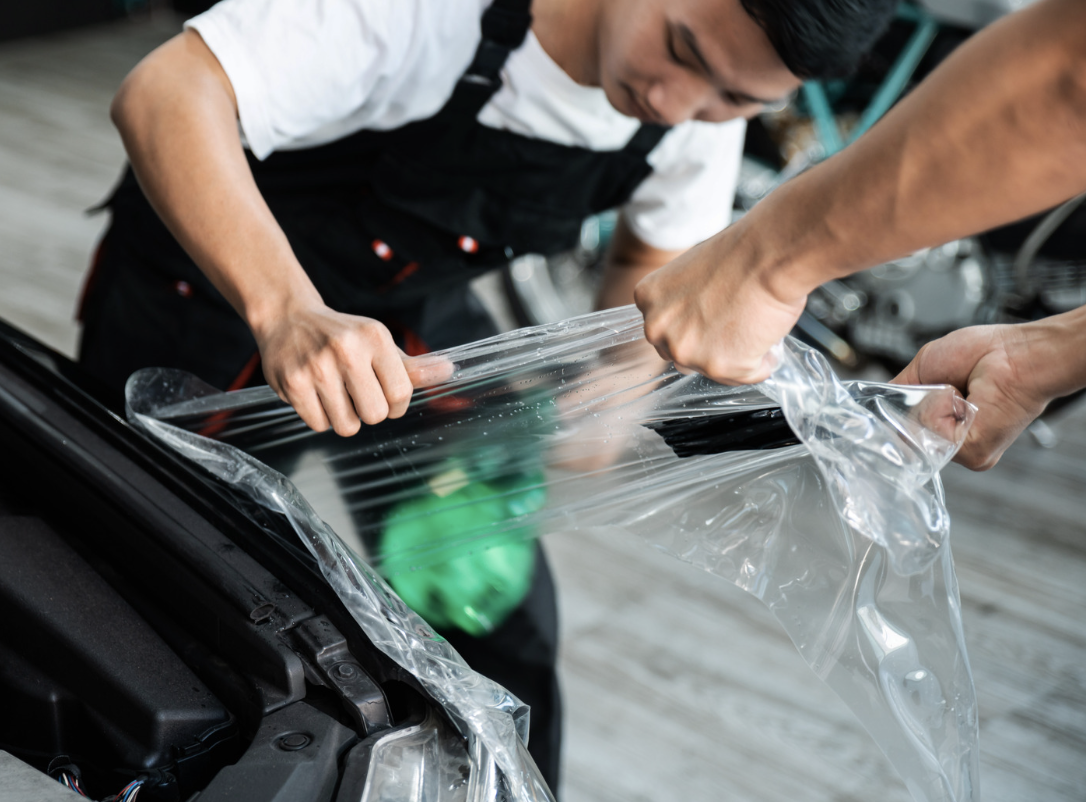
What Is Self-Healing PPF?
Paint Protection Film, commonly called PPF, is a transparent polyurethane film applied to a vehicle’s painted surfaces to protect against:
Stone chips
Road debris
Light scratches
Bird droppings
Bug splatter
Tree sap
UV damage
Self-healing PPF takes this a step further by adding a specialised elastomeric top coat.
This top layer has the ability to return to its original smooth shape after minor surface damage. When heat is introduced, the material softens, and the light scratches gradually disappear.
That’s where the “self-healing” feature comes from.
Modern premium PPF products from manufacturers use advanced polymer technology specifically designed for this purpose.
How Does Self-Healing PPF Work?
The science behind self-healing film is surprisingly simple.
The film’s top coat contains flexible polymer chains that can temporarily deform when scratched by light friction.
Examples include:
Improper washing
Microfibre towel marks
Light brush contact
Minor swirl marks
When heat is applied, those polymer chains relax back into their original arrangement, smoothing out the surface.
Heat can come from:
Sunlight
In Sydney’s climate, natural sunlight often provides enough heat for healing.
A parked car under the sun may reach temperatures high enough for minor scratches to disappear naturally.
Warm Water
Pouring warm (not boiling) water over the affected area can accelerate healing.
Heat Gun or Professional Heat Source
Detailers sometimes use controlled heat for faster results.
This is especially useful during maintenance inspections.
Does Self-Healing PPF Actually Work?
Yes, but only for certain types of damage.
This is the part many people misunderstand.
Self-healing PPF works very well for:
Light wash marks
Fine swirl marks
Surface scuffs
Minor abrasion
It does not work well for:
Deep scratches
Stone chip punctures
Tears in the film
Sharp gouges
Severe impact damage
Think of self-healing PPF as a way to reduce everyday wear rather than eliminate all damage.
That distinction matters.
If a rock hits your bonnet at high speed and cuts through the film, self-healing technology won’t repair that. The film may need replacement.
Why Self-Healing PPF Is Popular in Sydney
There’s a reason more car owners are searching for self-healing PPF in Sydney.
Sydney driving conditions can be particularly harsh on paintwork.
Common paint threats include:
Strong UV Exposure
Australia has some of the highest UV levels globally. Prolonged sun exposure accelerates oxidation, fading, and clear coat deterioration.
According toARPANSA, UV levels in Australia frequently reach extreme levels, especially during summer.
Road Debris
Motorways and urban roads expose cars to:
Loose gravel
Dust
Sand
Tyre kick-up debris
These can cause chips and micro-abrasions over time.
Frequent Washing
Regular washing is good for maintenance, but poor washing technique often causes swirl marks.
Self-healing PPF helps reduce the visible impact of these small defects.
One Honest Truth: “Self-Healing” Doesn’t Mean Scratch-Proof
Here’s the reality.
Some marketing makes self-healing film sound indestructible.
It isn’t.
That’s an important limitation to understand.
Even premium self-healing PPF in Sydney cannot stop all physical damage. The film sacrifices itself to protect your paint, which means it can still become punctured, torn, or heavily scratched.
That’s actually the point.
The film takes the damage so your original paint doesn’t.
In other words, self-healing helps with cosmetic maintenance, not complete immunity.
That distinction makes expectations more realistic.
How Long Does the Self-Healing Effect Last?
This depends heavily on film quality.
Premium films often maintain self-healing performance for 5–10 years, depending on:
Climate
Exposure to sun
Maintenance habits
Washing methods
Product quality
Lower-quality films may lose elasticity faster.
Over time, repeated UV exposure and environmental stress can reduce healing performance.
That’s why installer quality matters almost as much as product quality.
Poor installation can lead to:
Edge lifting
Contamination
Premature failure
Reduced clarity
Is Self-Healing PPF Worth It?
For many Sydney car owners, yes.
It can be especially worthwhile if you own:
Luxury vehicles
Performance cars
New cars
Dark-coloured vehicles
Recently corrected paintwork
Dark paint colours show swirl marks more easily, making self-healing technology especially valuable.
If maintaining a near-perfect finish matters to you, self-healing film provides noticeable long-term benefits.
AtPro Spec Detailing, vehicle protection solutions such as PPF are often chosen by owners wanting long-term protection against Sydney’s demanding road and weather conditions.
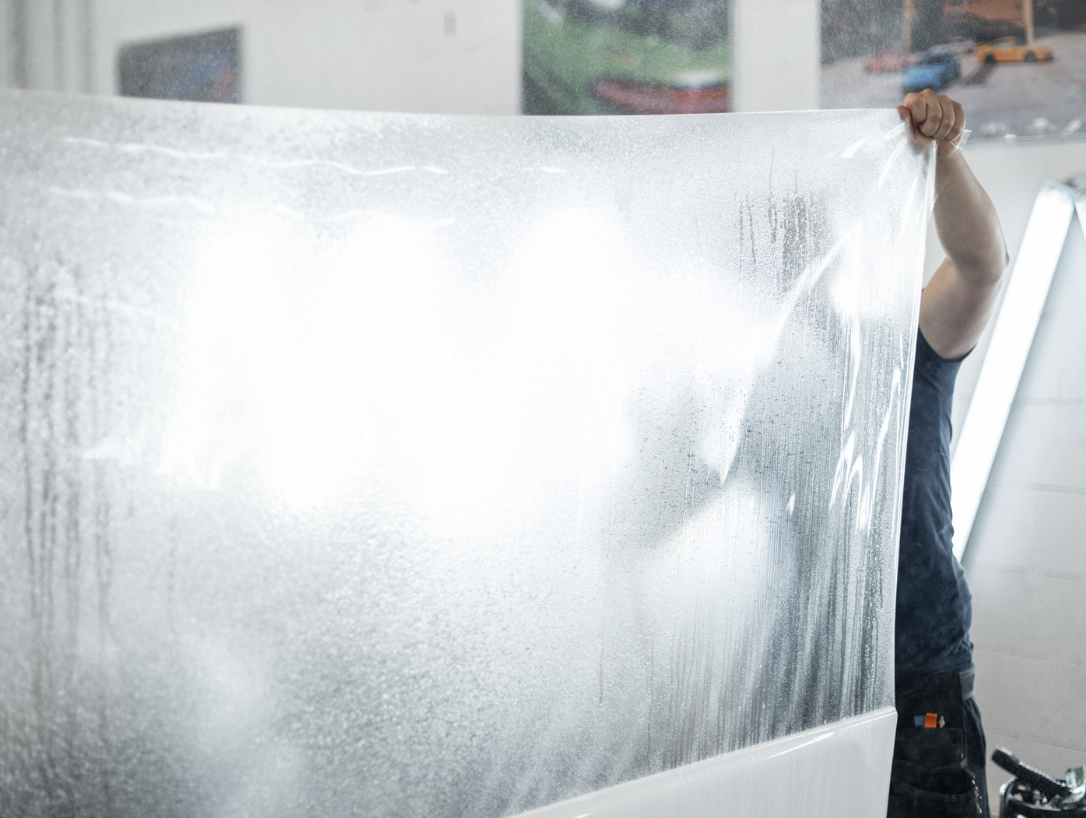
Is Self-Healing PPF in Sydney Worth It for Your Car?
If your goal is to minimise everyday wear, preserve resale value, and keep your vehicle looking cleaner for longer, self-healing PPF in Sydney can be a strong investment.
It won’t make your car invincible, and it won’t repair major damage. But for the scratches and swirl marks that come from daily driving and washing, it genuinely works.
The key is choosing a high-quality film and having it installed properly.
FAQs About Self-Healing PPF
Can self-healing PPF remove scratches completely?
Only minor surface scratches and swirl marks. Deep scratches won’t disappear.
Does sunlight activate self-healing PPF?
Yes. Heat from direct sunlight often helps the film heal minor marks naturally.
Is self-healing PPF better than ceramic coating?
They serve different purposes. PPF protects against physical impact, while ceramic coating mainly improves gloss and chemical resistance.
How long does self-healing PPF last?
Premium films typically last 5–10 years with proper care.
Does self-healing PPF work on all cars?
Yes, it can be installed on most vehicles, including daily drivers, luxury cars, and performance vehicles.
Closing Thoughts on Self-Healing PPF in Sydney
Self-healing PPF isn’t just a marketing gimmick, it is a genuine advancement in paint protection technology that can noticeably reduce visible swirl marks, light scratches, and minor surface scuffs over time. For many vehicle owners in Sydney, this added layer of protection can help preserve the appearance of their car against daily wear, harsh UV exposure, and common road contaminants. However, its effectiveness still depends heavily on the quality of the film, proper installation, and having realistic expectations about what it can and cannot repair. While it won’t make your vehicle completely scratch-proof or invincible against heavy impacts, it can significantly improve long-term paint preservation when installed and maintained correctly.
