
Can You Apply PPF on a Repainted Car? What You Need to Know
If you’re considering PPF on repainted car panels, the short answer is yes, but only if the repaint has been done properly and fully cured.
Paint Protection Film (PPF) is designed to shield your vehicle’s paint from stone chips, scratches, UV damage, and environmental contaminants. But when the paint underneath isn’t factory-original, there are extra factors to consider. Repainted surfaces can behave differently from factory paint, especially in terms of adhesion and long-term durability.
This raises a common question among car owners: Will PPF stick properly to a repainted panel, or could it damage the paint when removed?
The answer depends largely on paint quality, curing time, and installation technique. In this guide, we’ll explain exactly what you need to know before applying PPF on repainted car surfaces so you can protect your vehicle without risking costly mistakes.
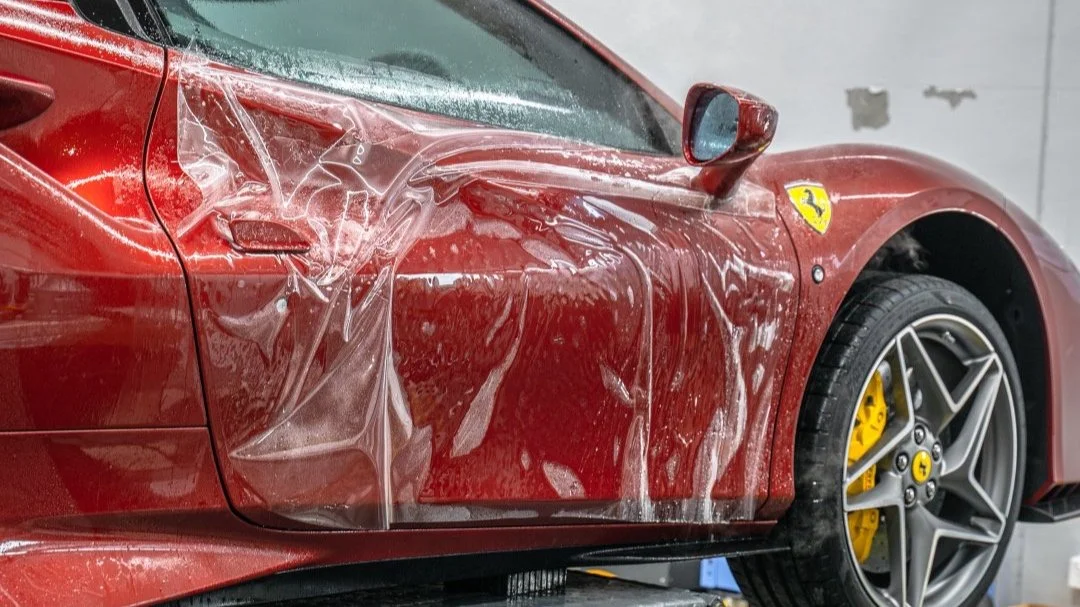
Yes, You Can Apply PPF on a Repainted Car, But Timing Matters
Applying PPF on repainted car panels is generally safe if the paint has completely cured and bonded to the panel.
Fresh paint continues to release solvents long after it feels dry to the touch. This process, known as curing, affects how stable and durable the paint becomes. If PPF is installed too early, trapped solvents can weaken adhesion and potentially cause bubbling, lifting, or paint damage later.
Most professional body shops recommend waiting:
30–90 days for standard refinish paint
Longer for certain custom or high-build paint systems
Based on the paint manufacturer’s curing guidelines
The exact timeframe depends on factors like:
Paint type
Number of coats
Clear coat thickness
Bake cycle used during refinishing
Ambient temperature and humidity
According toPPG Refinish Australia, modern automotive refinishing systems vary significantly in cure time depending on the product line and workshop process.
That means there’s no one-size-fits-all answer.
Why Repainted Panels Are Different from Factory Paint
Factory paint is applied in highly controlled environments using robotic precision, high-temperature curing ovens, and strict quality control. This creates extremely consistent paint adhesion and hardness.
Repainted panels are different because they involve multiple manual steps:
Surface preparation
Sanding
Priming
Paint mixing
Spray application
Clear coat finishing
Drying or baking
Even a high-quality repair may have small differences in:
Paint thickness
Surface texture
Orange peel level
Clear coat hardness
These differences matter because PPF relies on strong, stable paint underneath.
If the repaint wasn’t done correctly, installing PPF on repainted car surfaces may expose weak adhesion points.
When PPF Can Cause Problems on Repainted Paintwork
PPF itself doesn’t usually damage paint.
The real issue happens when the underlying paint has poor adhesion.
Potential problems include:
Paint Lifting During Installation
If paint hasn’t bonded properly to the primer or panel, installation pressure or edge stretching may cause lifting.
This is rare with quality repairs but common with cheap resprays.
Paint Pulling During Film Removal
Years later, when PPF is removed or replaced, weak repaint layers may peel off with the film adhesive.
This is one of the biggest concerns people have about PPF on repainted car surfaces.
Poor Adhesion
If the repainted panel still contains:
Solvent residue
Silicone contamination
Wax residue
Improperly cured clear coat
the film may struggle to bond properly.
According to3M Automotive Films, surface preparation is critical for proper film performance and longevity.
How to Tell If Your Repainting Is Ready for PPF
Before installing PPF, ask these questions.
1. How Long Ago Was the Repaint?
This is the first checkpoint.
If the repair was done recently, ask the body shop for the curing schedule.
Avoid rushing.
Even if the paint appears glossy and feels dry to the touch, the curing process may still be ongoing beneath the surface.
2. Was It Done by a Quality Repair Shop?
Not all paint jobs are equal.
A professional repair facility using premium materials is far more likely to produce paint safe for PPF.
Warning signs of poor paint quality:
Overspray
Dust nibs
Uneven clear coat
Peeling edges
Visible texture mismatch
3. Has the Paint Fully Hardened?
A professional detailer or PPF installer can inspect:
Surface hardness
Adhesion quality
Clear coat stability
This reduces risk before film application.
Should You Polish a Repainted Panel Before PPF?
Usually, yes, but carefully.
Many repainted vehicles benefit from paint correction before film installation to remove:
Light sanding marks
Holograms
Minor swirl marks
Surface imperfections
A refined finish helps PPF sit more evenly and improves clarity.
However, aggressive machine polishing too early can interfere with curing.
That’s why timing matters.
AtPro Spec Detailing, PPF preparation typically includes thorough decontamination and paint assessment to ensure the surface is suitable before installation.
One Honest Concern: Removal Risk Is Higher Than Factory Paint
Here’s the part many installers don’t emphasise enough.
Even if installation goes perfectly, removing PPF from a repainted car carries more risk than removing it from factory paint.
Why?
Because film adhesives are strong by design. They need to withstand years of heat, UV exposure, and washing.
When the time comes to remove old film, installers use heat and controlled tension. If the repaint underneath has weak adhesion, the film can pull paint off.
That doesn’t mean you should avoid PPF entirely.
It simply means you should understand the trade-off.
If your repaint was done professionally and cured properly, the risk is much lower. But no installer can guarantee zero risk during future removal.
That’s the balanced reality.
Is PPF Worth It for Repainted Cars?
In most cases, yes.
If your vehicle has undergone expensive panel repairs, custom paintwork, or a full respray, protecting that investment often makes sense.
PPF provides protection against:
Stone chips
Road debris
Bug splatter
Bird droppings
UV fading
Minor scratches
This is especially valuable in Australian conditions, where strong UV exposure accelerates paint degradation. According to the Australian Radiation Protection and Nuclear Safety Agency (ARPANSA), Australia experiences some of the highest UV levels in the world.
That harsh environment makes paint protection even more relevant.
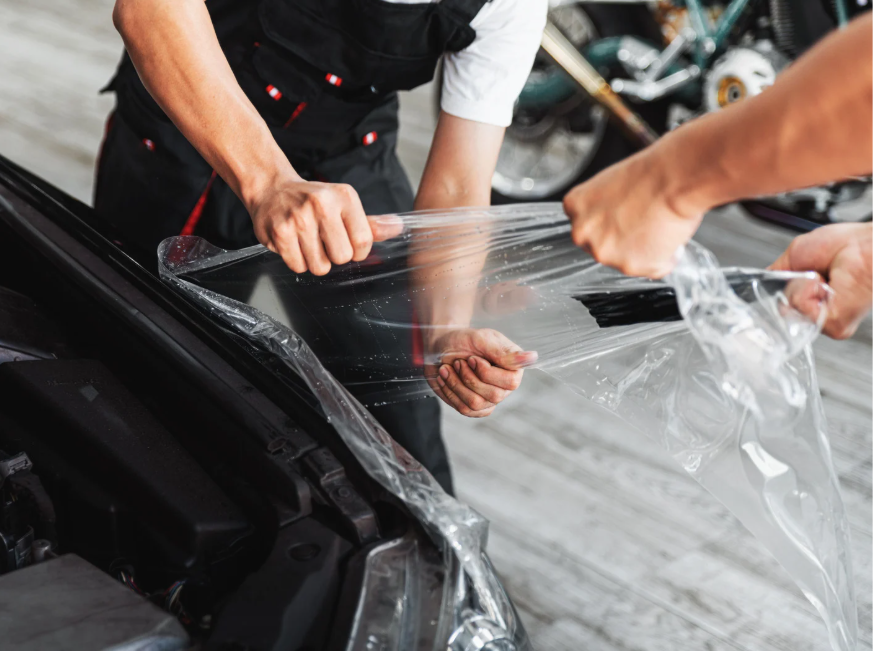
Best Practices for Applying PPF on Repainted Car Panels
To minimise risk, follow these best practices.
Wait for Full Cure
Never install too early.
Follow paint manufacturer recommendations.
Choose Experienced Installers
PPF installation on repainted surfaces requires extra care.
Ask if they’ve worked on resprayed cars before.
Inspect Paint First
A pre-install inspection can reveal hidden issues.
Use Premium Film
Higher-quality films often offer:
Better adhesive technology
Cleaner removal
Improved self-healing
Stronger UV resistance
FAQs About PPF on Repainted Cars
How long should I wait before applying PPF after repainting?
Most vehicles should wait at least 30–90 days, depending on paint type and curing method.
Can PPF peel off repainted paint?
It can if the repaint has poor adhesion or wasn’t properly cured.
Does ceramic coating work better than PPF on repainted cars?
Ceramic coating protects against chemicals and UV but won’t prevent stone chips like PPF.
Can I apply PPF over touch-up paint?
Small touch-ups may be risky if not fully cured and blended properly.
Is full-body PPF safe after a respray?
Yes, if the paint is stable, fully cured, and professionally inspected beforehand.
Is PPF on a Repainted Car Worth It?
Protecting repainted paintwork with PPF can be a smart long-term investment, especially if you want to preserve the finish from stone chips, scratches, UV exposure, and everyday wear. However, the success of the installation depends heavily on proper curing time, thorough surface preparation, and expert application, so it’s important to confirm that the repaint is stable and fully bonded before applying the film.
