
Is PPF Worth It for Daily Drivers in Sydney?
If you’ve been wondering if PPF is worth it for daily drivers in Sydney, you’re not alone. It’s one of those upgrades that sounds great in theory, but once you see the price, you start questioning whether it actually makes sense for everyday use.
Because let’s be honest: most cars aren’t weekend showpieces. They deal with traffic, tight parking, unpredictable weather, and the occasional rough road. So the real question isn’t whether PPF works, it’s whether it’s practical for how you actually use your car in Sydney.
What Daily Driving in Sydney Really Does to Your Car
Driving in Sydney isn’t gentle on your paint.
Between highway commutes, construction zones, and stop-start traffic, your car is constantly exposed to small but consistent damage. It’s rarely dramatic. Instead, it builds up over time, tiny chips on the front, faint scratches near the handles, scuffs you don’t even remember getting.
If you’re commuting regularly, especially on motorways, your front bumper and bonnet are taking the brunt of it. Add in harsh sunlight, and you’re also dealing with gradual fading and wear.
This is the reality most daily drivers face. And it’s exactly where PPF starts to make sense.
Where PPF Actually Helps (and Where It Doesn’t)
Paint protection film isn’t magic; it’s a layer that absorbs damage before your paint does.
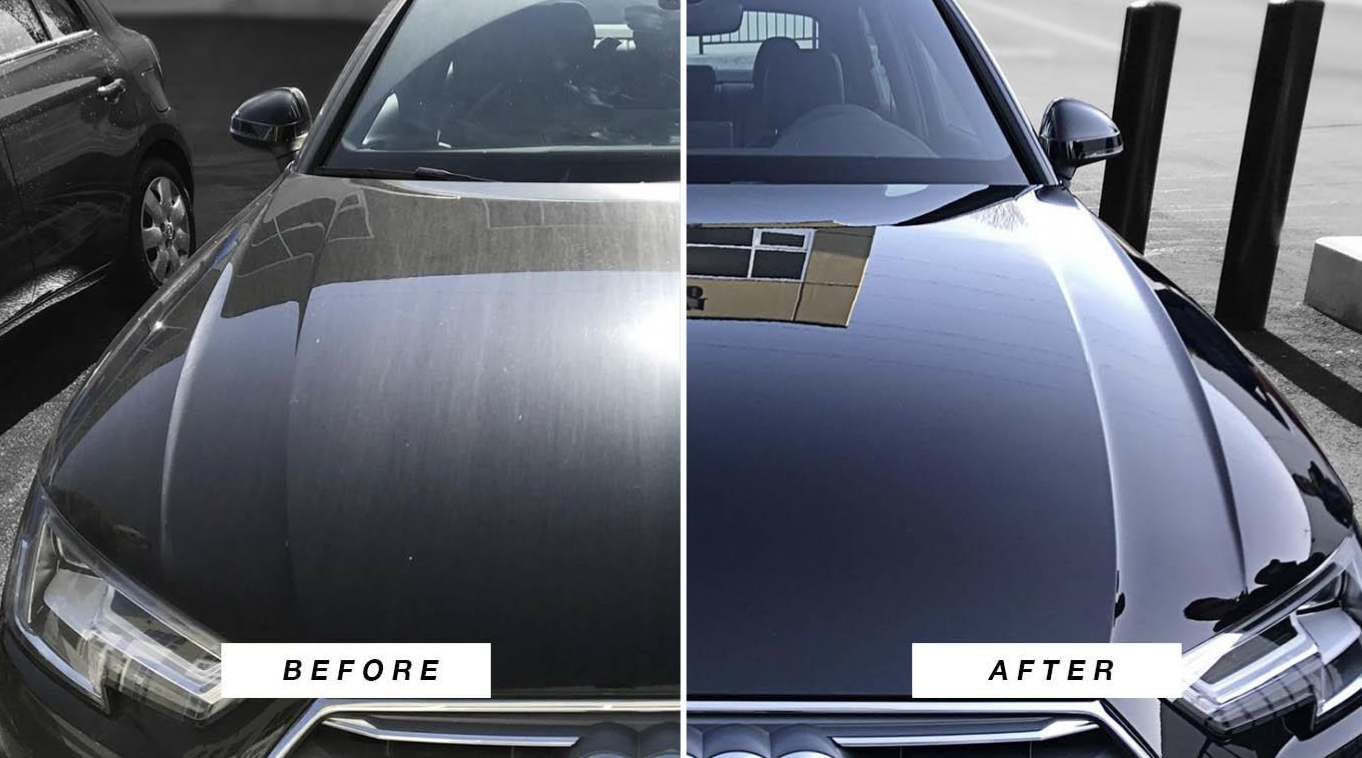
For daily drivers, its biggest value shows up in areas that are constantly exposed. The front end, in particular, benefits the most. Over time, it can prevent the kind of visible wear that makes a car look older than it really is.
But it’s not necessary everywhere.
If parts of your car rarely see contact or exposure, covering them might not add much real value. That’s why many daily drivers in Sydney choose partial coverage rather than going all-in.
The Cost vs Reality Question
This is where most people hesitate.
PPF isn’t cheap. And if you’re using your car every day, it can feel counterintuitive to spend money protecting something that’s constantly being used anyway.
But here’s the flip side: daily driving is exactly what causes the wear you’re trying to avoid.
Without protection, you’re more likely to deal with:
Paint chips that spread over time
Scratches that are costly to fix properly
A noticeable drop in visual condition within a few years
PPF doesn’t eliminate these risks, but it reduces them significantly. For some drivers, that alone justifies the investment. For others, it depends on how much they care about keeping their car looking close to new.
A More Practical Way to Think About It
Instead of asking, “Is PPF worth it?” it helps to ask a better question:
What kind of wear am I okay with?
If you don’t mind a few chips and scratches, skipping PPF might be perfectly reasonable. Your car will still function the same; it just won’t look as pristine over time.
But if those details bother you, or you plan to keep the car long-term, protecting high-impact areas can make a noticeable difference.
It’s less about luxury and more about preference.
What About Sydney’s Conditions Specifically?
Sydney adds a few unique factors into the mix.
The sun alone can be harsh on paint, especially for cars parked outdoors regularly. UV exposure gradually dulls the finish, and while PPF isn’t a complete shield against fading, it does provide an extra layer of defense.
Then there’s the mix of urban and motorway driving. It’s not unusual for a daily commute to include both, which means your car is dealing with a combination of debris impact and close-contact wear.
For many drivers here, that balance makes partial PPF, focused on the front end, a practical middle ground.
Where Professional Installation Comes In
Even if you decide PPF is worth it, how it’s installed matters just as much as where it’s applied.
A poorly installed film can be more noticeable than the damage it’s meant to prevent. Edges, bubbles, or uneven alignment can take away from the overall look of the car.
That’s why people often turn to experienced installers who approach the process carefully. For example, <a href="https://www.prospecdetailing.com.au/">Pro Spec Detailing</a> tends to focus on precise application and clean finishes, which helps the film blend in rather than stand out.
The Honest Downside of PPF
PPF isn’t a one-time, forever solution.
Over time, the film itself can show signs of wear, because it’s doing its job. You might notice marks or slight changes in clarity after years of exposure, especially in high-impact areas.
It also doesn’t make your car invincible. Deep scratches or heavy impacts can still get through.
But the key difference is that the damage happens to the film, not your paint. And that’s a trade-off many daily drivers are willing to make.
So, Is PPF Worth It for Daily Drivers in Sydney?
The answer depends less on the product, and more on you.
If your car is just a tool to get from point A to B, and you’re not concerned about cosmetic wear, PPF might not feel necessary.
But if you notice every chip, every scratch, and you’d rather prevent that gradual decline in appearance, then yes, it can absolutely be worth it, especially when focused on the areas that take the most impact.
And for many Sydney drivers, that balanced approach, protecting the front, leaving the rest, is where PPF makes the most practical sense.
Is PPF Worth It for Daily Drivers in Sydney? A Practical Take
At the end of the day, PPF isn’t about making your car perfect; it’s about slowing down the wear that comes with daily use.
And in a city like Sydney, where your car faces a mix of conditions every day, that kind of protection can go a long way, if it aligns with what you actually care about.
Sometimes, the value of PPF for daily drivers in Sydney comes down to how much you want to keep your car looking like it hasn’t been driven every day.
FAQs About PPF for Daily Drivers in Sydney
1. Is PPF only for luxury cars?
Not at all. While it’s common on high-end vehicles, many everyday drivers use it to maintain their car’s condition over time.
2. How long does PPF last in Sydney conditions?
Typically 5–10 years, depending on sun exposure, driving conditions, and maintenance.
3. Can I install PPF later instead of right away?
Yes, but applying it earlier helps prevent damage rather than trying to protect already worn paint.
4. Does PPF affect the look of the car?
Most high-quality films are nearly invisible when installed properly.
5. What’s the best option for daily drivers?
Partial front-end coverage is often the most practical starting point for everyday use.
