
How Tinting Improves Fuel Efficiency and Interior Comfort
In Australia, we don’t deal with mild sunshine; we deal with harsh UV, intense glare, and long, hot summers. Whether you’re commuting daily, running a work vehicle, or heading up the coast for a weekend trip, the heat inside your car builds up fast.
That’s where professional window tinting makes a real difference.
Quality automotive tint isn’t just about looks. It plays a practical role in reducing heat, lowering strain on your air conditioning system, and improving overall driving comfort. If you're considering tinting for performance, not just style, this guide breaks down exactly how it works and why it matters.
Understanding Heat Inside Your Vehicle
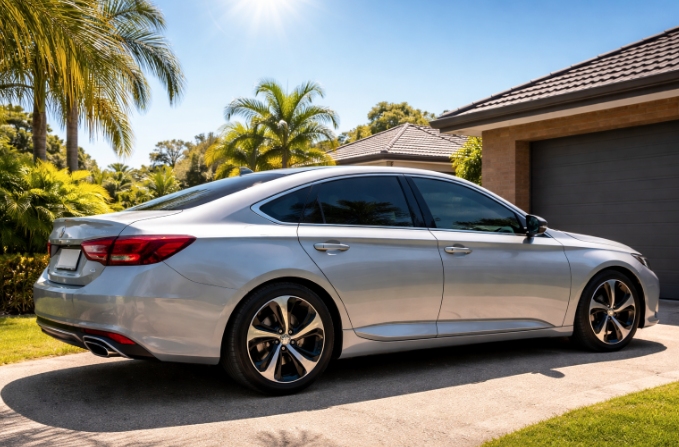
When your car sits in the sun, it traps heat through a process called the greenhouse effect. Sunlight enters through the glass, heats interior surfaces like the dashboard and seats, and that heat gets trapped inside.
On a typical Australian summer day, cabin temperatures can easily exceed 60°C.
Without protection, this leads to:
Overworked air conditioning
Higher fuel consumption
Faded interiors
Discomfort during short and long drives
Increased UV exposure for passengers
Window tinting directly addresses these issues.
How Window Tinting Reduces Heat Build-Up
Professional automotive tint contains advanced film technology designed to block and filter different types of solar energy:
Infrared heat – The main contributor to interior temperature rise
UV radiation – Damages skin and fades upholstery
Glare – Reduces driving visibility
Modern ceramic and carbon films can reflect 50–80% of solar heat, depending on film grade and darkness.
By reducing the amount of heat entering the cabin, tint keeps your vehicle cooler from the moment you step inside.
The Link Between Tinting and Fuel Efficiency
Now let’s talk about something most drivers overlook: fuel consumption.
1. Less Air Conditioning Usage
When your vehicle's interior is extremely hot, your air conditioning system works harder and longer to cool it down. That additional load increases fuel use in petrol and diesel vehicles.
With effective tint:
The cabin starts cooler
The AC reaches the desired temperature faster
The compressor cycles less frequently
Engine load is reduced
Even small efficiency gains add up over time, particularly in stop-start city driving.
2. Reduced Engine Strain in Australian Conditions
In hotter climates like Queensland, NSW, and WA, cooling systems are under constant pressure. Reducing cabin heat helps reduce the total cooling demand on your vehicle.
For drivers covering long distances, tradies, rideshare drivers, and fleet vehicles, this becomes a noticeable benefit.
3. Improved Efficiency in Hybrid Vehicles
In hybrid and electric vehicles, AC use directly affects battery range. Minimising cabin heat through tinting helps preserve energy and extend driving distance between charges.
Interior Comfort: More Than Just Temperature
While fuel efficiency is important, comfort is often the first thing drivers notice after tint installation.
Temperature Stability
Tinted windows maintain a more consistent cabin temperature, even during peak afternoon heat. That means:
No scorching steering wheel
No burning hot leather seats
Less temperature fluctuation while driving
Reduced Glare
Australian sun glare can be intense, especially during early-morning and late-afternoon drives.
Tint reduces harsh glare without compromising visibility, leading to:
Less eye strain
Improved road focus
Safer driving conditions
UV Protection
High-performance films can filter out up to 99% of harmful ultraviolet radiation.
This protects:
Your skin
Your passengers
Your dashboard
Leather and fabric interiors
Over time, UV protection helps maintain resale value by preventing cracking, fading, and warping.
The Science Behind Modern Tint Films
Not all tint is equal.
Older dyed films mainly reduced brightness. Modern high-performance films use:
Ceramic nanoparticles
Carbon layering
Infrared rejection technology
These advanced films allow visible light to pass through while blocking heat-generating infrared rays.
That means you can stay compliant with Australian legal tint limits while still achieving strong heat rejection.
Professional installers ensure:
Clean, bubble-free application
Compliance with state regulations
Long-term durability
No signal interference (important for GPS and mobile reception)
Legal Tint Limits in Australia
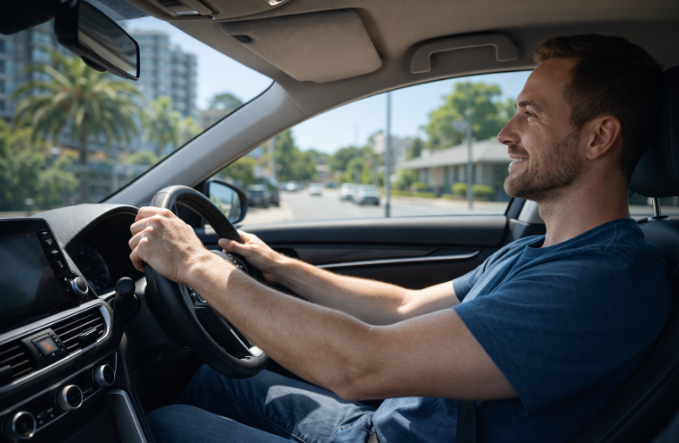
Each state and territory has regulations regarding Visible Light Transmission (VLT). Most allow:
35% VLT on front side windows
Darker tint on the rear side and back windows
It’s important to choose a provider that understands these regulations and installs compliant film.
This protects you from:
Defect notices
Insurance complications
Fines
Long-Term Financial Benefits
Let’s look at the bigger picture.
Professional window tinting:
Reduces long-term fuel usage
Protects interior materials from premature wear
Minimises AC system strain
Maintains vehicle resale value
While tinting has an upfront cost, the comfort and efficiency benefits continue for years.
When installed properly using quality film, automotive tint can last 10+ years without fading or peeling.
Who Benefits Most from Automotive Tinting?
Tinting is particularly valuable for:
Daily commuters
Families with young children
Fleet and work vehicles
Tradespeople
Rideshare drivers
Electric and hybrid vehicle owners
Anyone parking outdoors regularly
If your vehicle spends time in open sun, tinting isn’t optional; it’s practical protection.
Why Professional Installation Matters
DIY tint kits are widely available, but they rarely provide the same results.
Improper installation can lead to:
Air bubbles
Peeling edges
Distortion
Reduced lifespan
Non-compliance with legal standards
A professional service ensures precise cutting, clean adhesion, and film longevity.
That’s why many Australian drivers choose experienced specialists like Pro Spec Detailing, who focus on both performance and presentation. When installed correctly, tint becomes a functional upgrade, not just a cosmetic change.
The Role of Tinting in Australian Driving Conditions
Australia’s climate isn’t forgiving. UV levels are among the highest in the world, particularly in summer.
In cities like:
Sydney
Brisbane
Perth
Adelaide
Heat intensity makes tinting more of a necessity than a luxury.
For drivers wanting practical improvements, Pro Spec Detailing offers solutions designed specifically for Australian conditions, helping customers stay comfortable while improving vehicle performance.
Maximising Fuel Efficiency and Interior Comfort with Tinting
When you step back and look at the long-term value, tinting is more than a cosmetic upgrade. It’s a performance decision that impacts your daily driving experience.
By improving fuel efficiency and interior comfort with tinting, you’re:
Reducing operational strain
Increasing cabin comfort
Protecting your investment
Enhancing overall driving enjoyment
In Australian conditions, that combination makes professional window tinting one of the most practical upgrades you can make.
Why Fuel Efficiency and Interior Comfort with Tinting Matter Long-Term
When you look beyond the immediate comfort, the real value of tinting becomes clear. Improving fuel efficiency and interior comfort with tinting isn’t just about surviving summer; it’s about driving smarter all year round.
In Australian conditions, where UV levels are high and temperatures regularly climb, window tinting acts as a protective barrier between your vehicle and extreme heat. By reducing infrared penetration, limiting UV exposure, and cutting glare, tint helps maintain a cooler, more stable cabin environment.
That cooler cabin means:
Less reliance on air conditioning
Reduced fuel consumption over time
Lower mechanical strain on cooling systems
Greater comfort for drivers and passengers
Protection of interior materials from fading and cracking
The impact compounds over months and years. Small reductions in fuel use add up. Interior preservation supports resale value. Consistent comfort improves the daily driving experience.
For vehicle owners who want practical upgrades that deliver measurable results, investing in fuel efficiency and interior comfort through professional tinting is a smart, long-term decision.
With expert installation and high-performance film, Pro Spec Detailing helps Australian drivers achieve lasting improvements in both performance and comfort, making every drive cooler, more efficient, and more enjoyable.
