
How Long Does Paint Protection Film Last in Australian Conditions?
If you’re asking how long paint protection film last Australia, you’re already thinking ahead, which is exactly the right mindset with something like PPF. It’s not just about how it looks on day one, but how it holds up after years of sun, road wear, and everyday use.
The short answer? High-quality paint protection film typically lasts around 5 to 10 years. But in Australian conditions, that range depends heavily on how and where you drive.
Why Australian Conditions Matter More Than You Think
Australia isn’t exactly gentle on car paint.
Between intense UV exposure, heat, and long stretches of open-road driving, your vehicle faces a combination of stress factors that can accelerate wear. Even in a city like Sydney, where driving conditions vary, your car is still dealing with strong sunlight, temperature changes, and constant exposure to debris.
That same environment affects PPF, too.
The film is designed to take the damage instead of your paint, but naturally, that means it will show signs of aging over time.
What 5–10 Years Really Looks Like
When people hear “5 to 10 years,” it can sound vague. So it helps to break down what that lifespan actually means in real-world terms.
In the early years, PPF typically looks almost invisible. It maintains clarity, gloss, and smoothness, especially if it’s been properly installed and cared for.
As time goes on, particularly in high-impact areas like the front bumper and bonnet, the film may start to show light wear. This can include minor marks, slight dullness, or subtle edge visibility.
By the later years, depending on exposure, you might notice:
Reduced clarity in heavily used sections
More visible surface wear
The need for replacement in specific areas
This doesn’t mean the film failed; it means it did its job.
What Affects How Long PPF Lasts?
Not all cars experience PPF the same way. The lifespan can vary quite a bit depending on a few key factors.
Driving habits play a major role. A car that spends a lot of time on highways will experience more impact from debris, which can wear down the film faster.
Parking conditions also matter. Vehicles regularly exposed to direct sunlight will see more UV-related aging compared to those kept in garages or shaded areas.
Then there’s maintenance. While PPF doesn’t require anything complicated, regular washing and avoiding harsh chemicals can help preserve its clarity and performance over time.
The Areas That Wear Out First
PPF doesn’t age evenly across the car.
The front-facing surfaces tend to show wear earlier because they take the most impact. This includes the bumper, bonnet, and side mirrors, areas that constantly meet debris at speed.
Lower sections like side skirts can also wear faster due to dirt and road grime. Meanwhile, areas with less exposure often remain in excellent condition even after several years.
This uneven wear is one reason why some owners choose to replace only specific sections rather than the entire film at once.
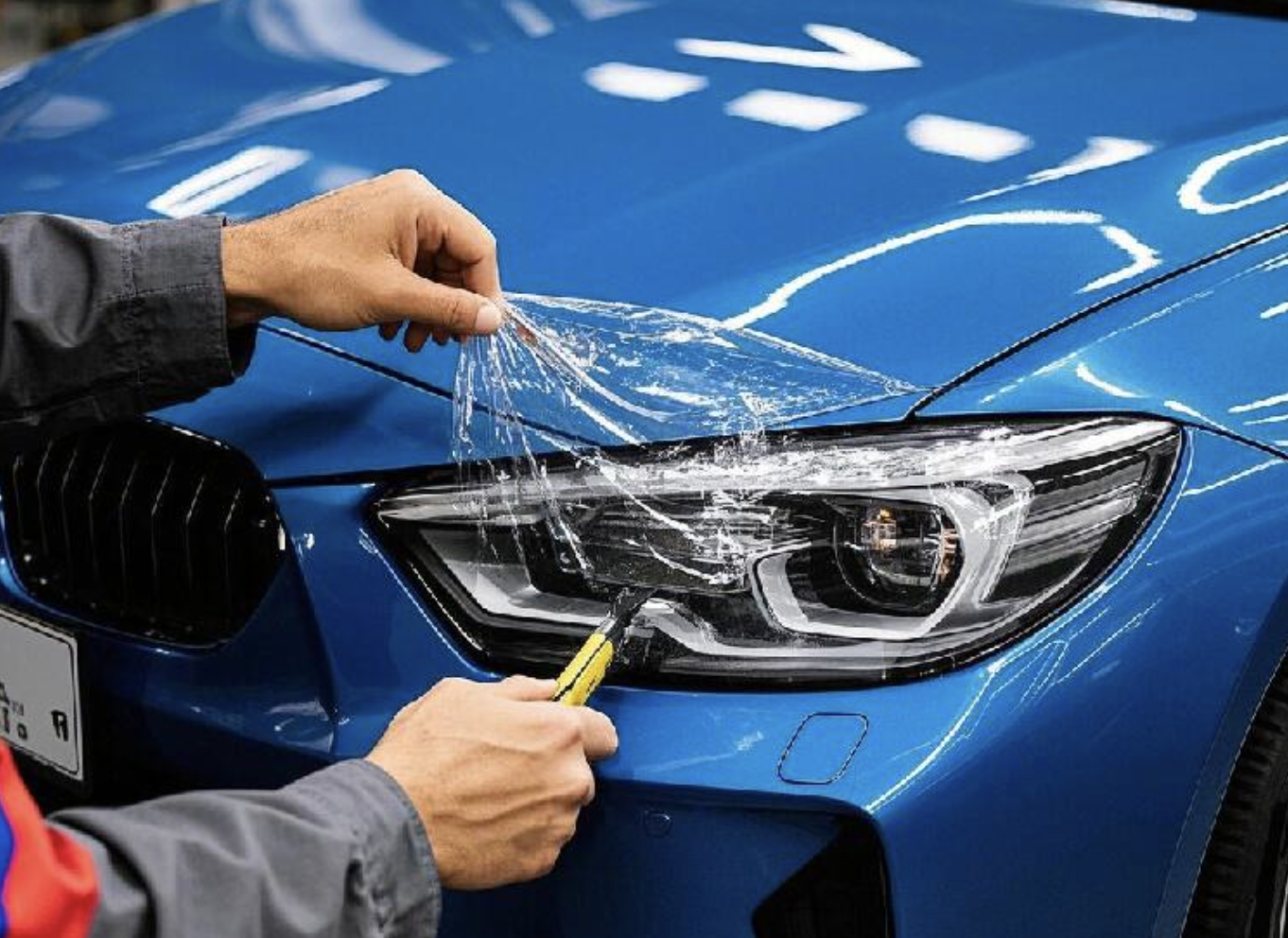
Installation Quality Makes a Bigger Difference Than You Expect
The lifespan of PPF isn’t just about the material; it’s also about how it’s applied.
A clean, precise installation helps the film adhere properly, reduces the chance of peeling, and keeps edges less noticeable over time. On the other hand, rushed or poorly done installs can shorten the film’s effective lifespan.
That’s why many car owners look for experienced installers. Pro Spec Detailing is focused on proper surface preparation and careful application, which helps the film perform as expected over the years rather than months.
The Honest Reality: PPF Is Meant to Age
One of the most important things to understand is that PPF is not permanent.
It’s designed to be a sacrificial layer. Instead of your paint collecting chips and scratches, the film takes that damage instead. Over time, it will show signs of use, but that’s exactly what it’s supposed to do.
Some people expect it to stay flawless forever, and that’s where disappointment can come in. The better way to look at it is this: if the film is aging, it means your paint isn’t.
When Should You Replace Paint Protection Film?
There’s no exact timeline, but there are clear signs that it might be time to replace certain sections.
If the film starts to look noticeably dull, heavily marked, or begins lifting at the edges, it’s usually a good indication that it has reached the end of its useful life in that area.
The good news is, replacement doesn’t always mean redoing the entire car. High-impact zones can be refreshed while leaving the rest intact.
And when done properly, the paint underneath often looks significantly better than it would have without protection.
How to Get the Most Out of Your PPF in Australia
If you want your PPF to last closer to that 10-year mark, a few simple habits go a long way.
Keeping the car clean helps prevent buildup that can wear down the surface. Parking in shaded areas when possible reduces UV exposure. And avoiding abrasive cleaning methods preserves the film’s finish.
These small choices don’t just extend the life of the film, they help maintain how your car looks day to day.
For many owners, working with a shop like Pro Spec Detailing also means getting guidance on how to care for the film properly after installation, which can make a noticeable difference over time.
How Long Does Paint Protection Film Last in Australia, In Real Terms
PPF doesn’t last forever, but that’s not the goal.
What it does is buy you time. It slows down the visible aging of your car, absorbs damage, and helps maintain a cleaner, newer look for longer, even under Australian conditions.
And in a climate like Australia, how long paint protection film lasts often matters less than how much wear it prevents along the way.
FAQs About Paint Protection Film Lifespan in Australia
1. How long does paint protection film last in Australia?
Typically, between 5 and 10 years, depending on exposure, driving conditions, and maintenance.
2. Does the Australian sun damage PPF faster?
Strong UV exposure can contribute to gradual aging, but high-quality films are designed to resist UV damage effectively.
3. Can PPF last longer than 10 years?
In low-impact, well-maintained areas, it’s possible, but most high-exposure sections will need replacement sooner.
4. What happens when PPF wears out?
The film may show marks, dullness, or lifting, and can be safely removed and replaced without damaging the paint.
5. Is it worth replacing PPF instead of repainting?
In many cases, yes, because the original paint underneath is usually preserved in much better condition.
